

Centralising product listings across multiple marketplaces
Selling on multiple marketplaces increases reach but adds operational overhead when each channel is managed separately. Centralising listings aims to keep product data consistent across channels while reducing repetitive work and avoidable errors.
By Sean SaleUpdated
Co-founder of Just Applications Ltd, the team behind Adlixor
The Challenge
When listings are maintained marketplace by marketplace using spreadsheets and manual edits, product titles, attributes, images and compliance fields drift out of sync. Price changes and stock updates are applied inconsistently, leading to overselling, suppressed listings and customer confusion. Launching new products becomes slow because each channel requires duplicated data entry and formatting.
The Solution
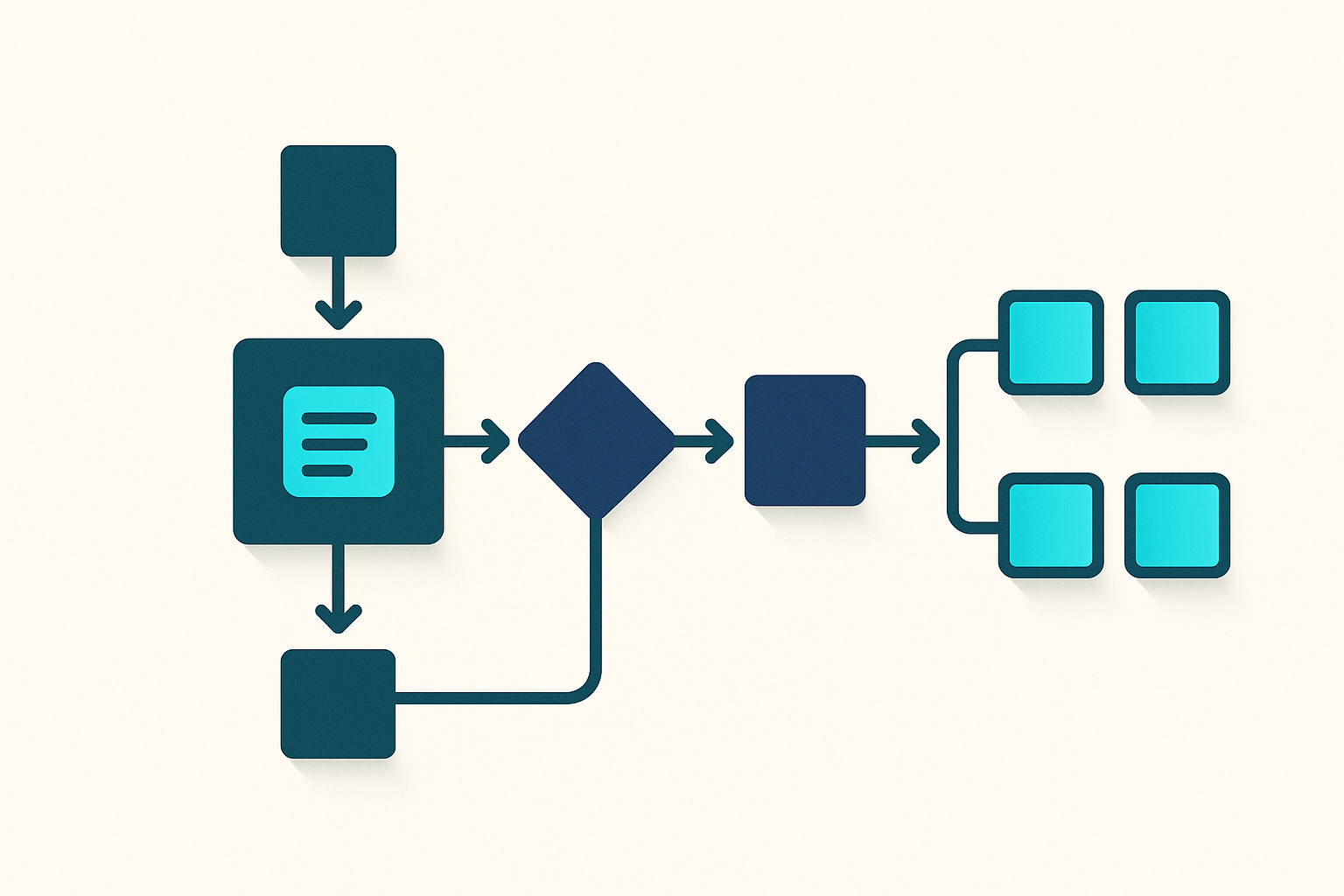
A systematic approach uses a single source of truth for product data and pushes validated changes to each marketplace in a controlled way. Channel-specific rules map core product fields into each marketplace’s required schema, so differences are handled deliberately rather than by ad hoc edits. Automated synchronisation and change logs reduce rework, improve data quality and make listing updates predictable.
Step-by-Step Guide
- 1
List all marketplaces and document the required fields, variants rules, image constraints and policy attributes for each.
- 2
Define a master product catalogue structure covering SKUs, variants, barcodes, titles, descriptions, attributes, media and compliance fields.
- 3
Standardise identifiers by assigning a unique internal SKU per variant and capturing GTIN or equivalent codes where applicable.
- 4
Clean existing listings by de-duplicating SKUs, fixing mismatched attributes and aligning variant structures to the master catalogue.
- 5
Create field mapping rules from the master catalogue to each marketplace schema, including default values and transformation logic.
- 6
Set governance for who can change core product fields, channel overrides and pricing, and record all changes with timestamps.
- 7
Implement synchronisation for product data, prices and inventory, and configure safe update windows for high-risk changes.
- 8
Run a controlled pilot on a small subset of products, compare live listings against the master data, and resolve mapping gaps.
- 9
Roll out in batches, monitor marketplace error reports, and refine validation rules to prevent recurring issues.
Pro Tips
- ✓Maintain separate fields for internal product names and channel-facing titles to avoid repeated rewriting for each marketplace.
- ✓Store images in a consistent naming convention and minimum resolution so they can be reused without manual resizing.
- ✓Use attribute validation to block publishing when key fields are missing, such as material, size, or safety information.
- ✓Keep channel-specific overrides limited to what is genuinely unique, such as category placement or local compliance labels.
- ✓Schedule bulk updates outside peak trading periods to reduce the impact of temporary listing errors.
- ✓Track marketplace error codes and warnings in one place and treat them as data quality tasks, not one-off fixes.
Frequently Asked Questions
- What does centralising product listings mean in practice?
- It means maintaining core product information in one master catalogue and distributing it to multiple marketplaces using defined mapping rules. The marketplaces still have their own constraints, but updates start from one place rather than being re-entered repeatedly.
- Which data should be centralised and which should be channel-specific?
- Centralise stable fields such as SKU, barcode, variant structure, dimensions, core attributes, images and base descriptions. Keep channel-specific fields for marketplace category paths, required policy fields, and any wording that must follow a marketplace style guide.
- How do you prevent listings from being overwritten incorrectly?
- Use role-based permissions and change approval for high-impact fields like SKU, variant structure and compliance attributes. Apply channel overrides explicitly and use update rules that only push approved fields to each marketplace.
- How do variants complicate centralisation?
- Marketplaces differ in how they represent parent-child relationships, allowable variant attributes and limits per listing. A master catalogue should model variants consistently and then translate to each marketplace’s format via mapping rules and validation.
- What are common causes of listing suppression during synchronisation?
- Missing mandatory attributes, invalid barcodes, image constraints, restricted keywords and mismatched category requirements are typical triggers. Pre-publish validation and a review process for marketplace errors reduce repeated suppressions.
- How do you handle different pricing rules across marketplaces?
- Store a base price and then apply channel-level adjustments such as fees, rounding, promotional rules or minimum margin constraints. Keep pricing logic documented so changes are auditable and repeatable.
Related Guides
Further reading from our blog
- BlogHow to Manage Inventory Across Multiple Channels Without OversellingOverselling on one channel because another sold your last unit is one of the most damaging mistakes a multichannel seller can make. Here is how to prevent it.
- BlogHow to Bulk Print Shipping Labels from eBay: Stop Doing It One at a TimeBulk print shipping labels from eBay in seconds instead of minutes per order. A complete guide to eBay's built-in tools, CSV workflows, and full automation for high-volume sellers.
Ready to simplify your multichannel operations?
Start your 14-day free trial with Adlixor — no credit card required.